Farm Story
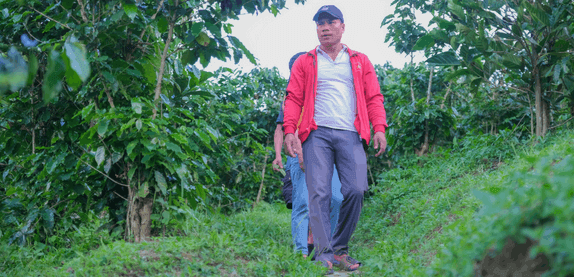
Our model farm is where the Dalanka team works hands-on — from soil testing to canopy layout.
At Dalanka, we believe the best coffee comes not from controlling nature, but from learning to live with it. The Dalanka Forest Farm model was born from this belief — a garden we consider a "living laboratory" for our large-scale forest coffee farming journey.
Why do we need a model farm?
Farming coffee under the forest farming model is nothing new — our ancestors planted trees under the forest canopy long ago. But scaling this model to a large area, operating it systematically, and maintaining both productivity and quality is a completely different story.
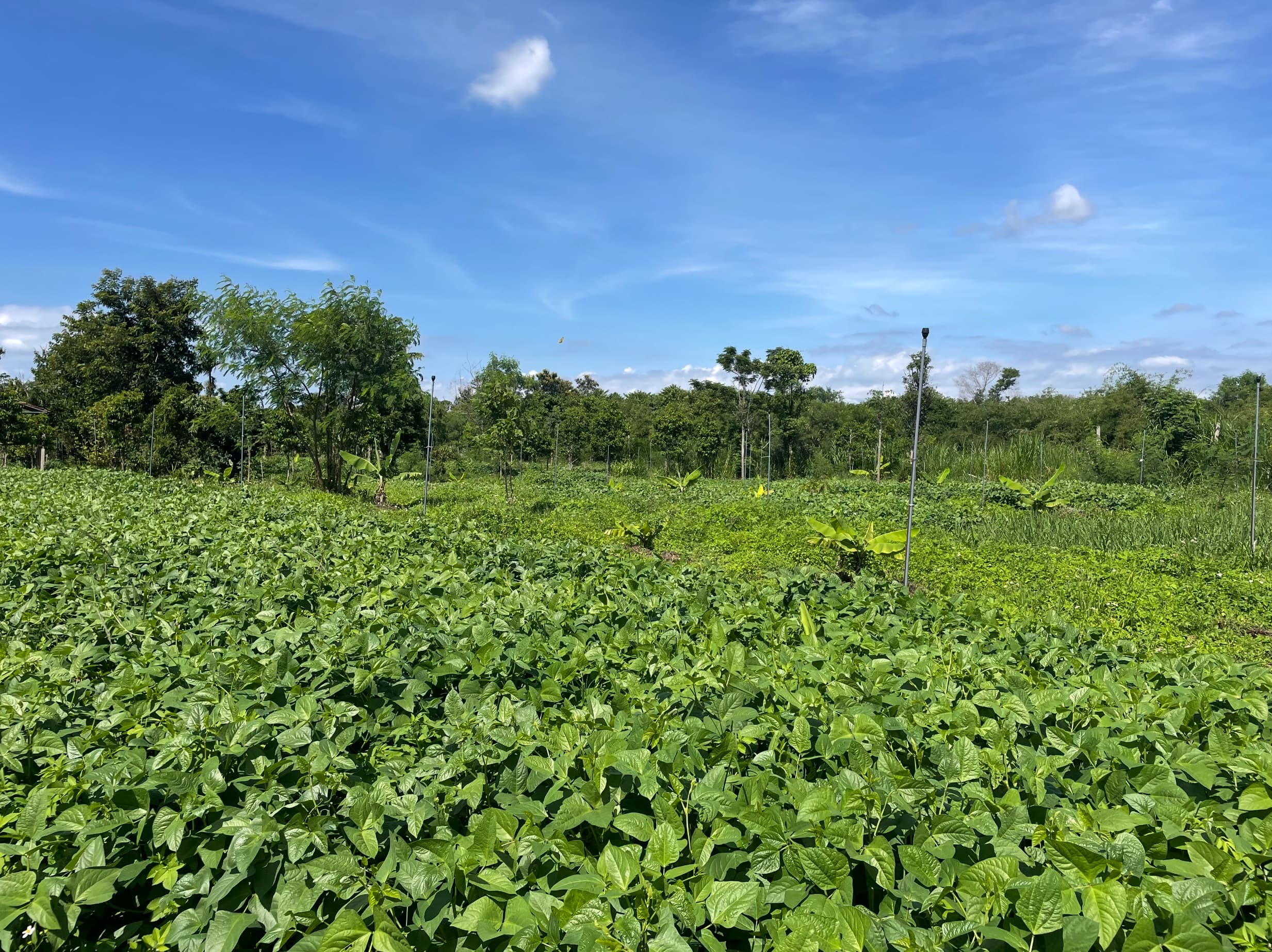
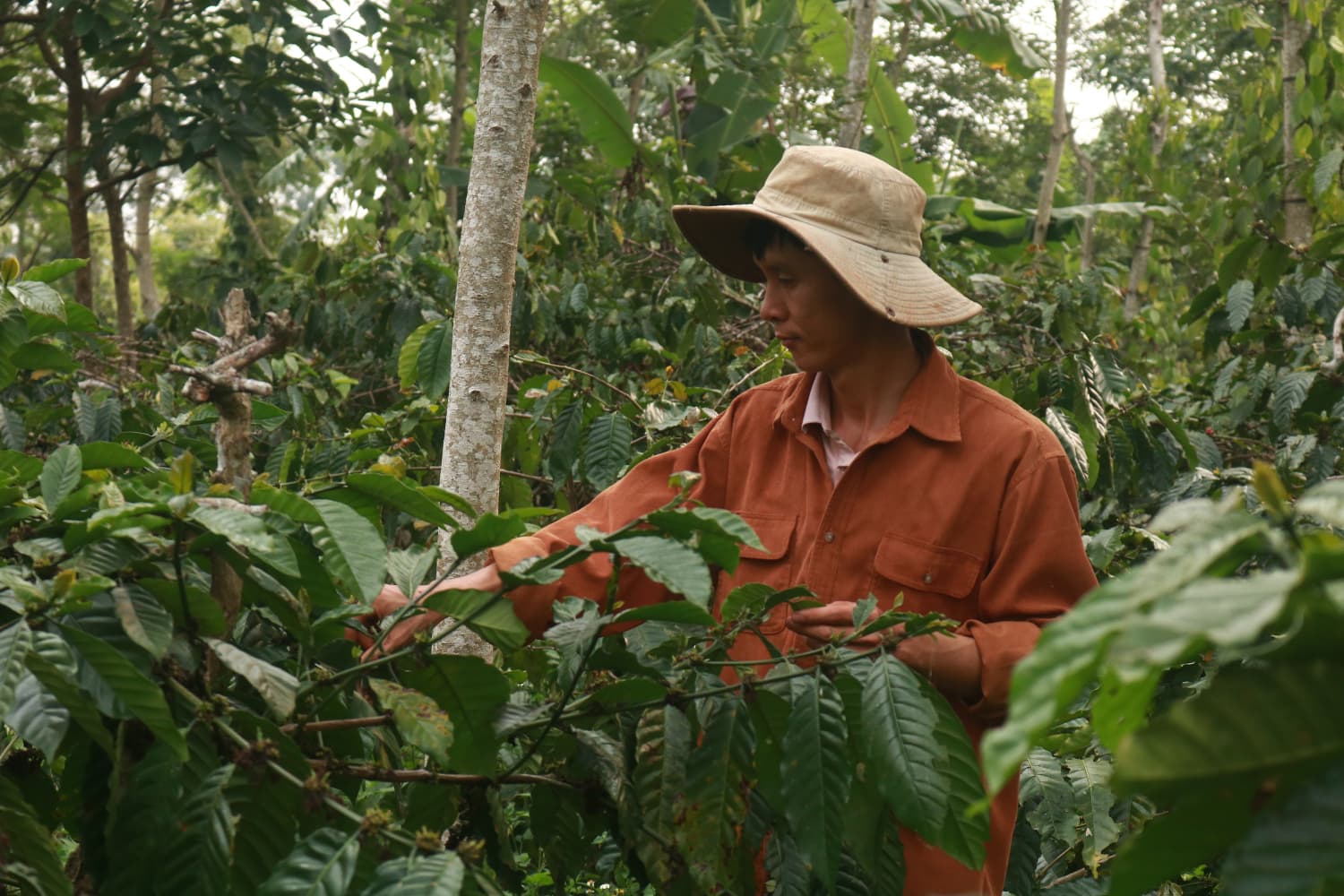
Before inviting farmers and partners to join us on this path, we wanted to lead the way ourselves. The model farm is where the Dalanka team gets their hands dirty doing everything — from soil surveying and canopy design, to variety selection and every small decision in daily care. Every lesson here is real, earned with real sweat, so that what we share later is not just theory.
One garden, many soil types — a challenge or a gift?
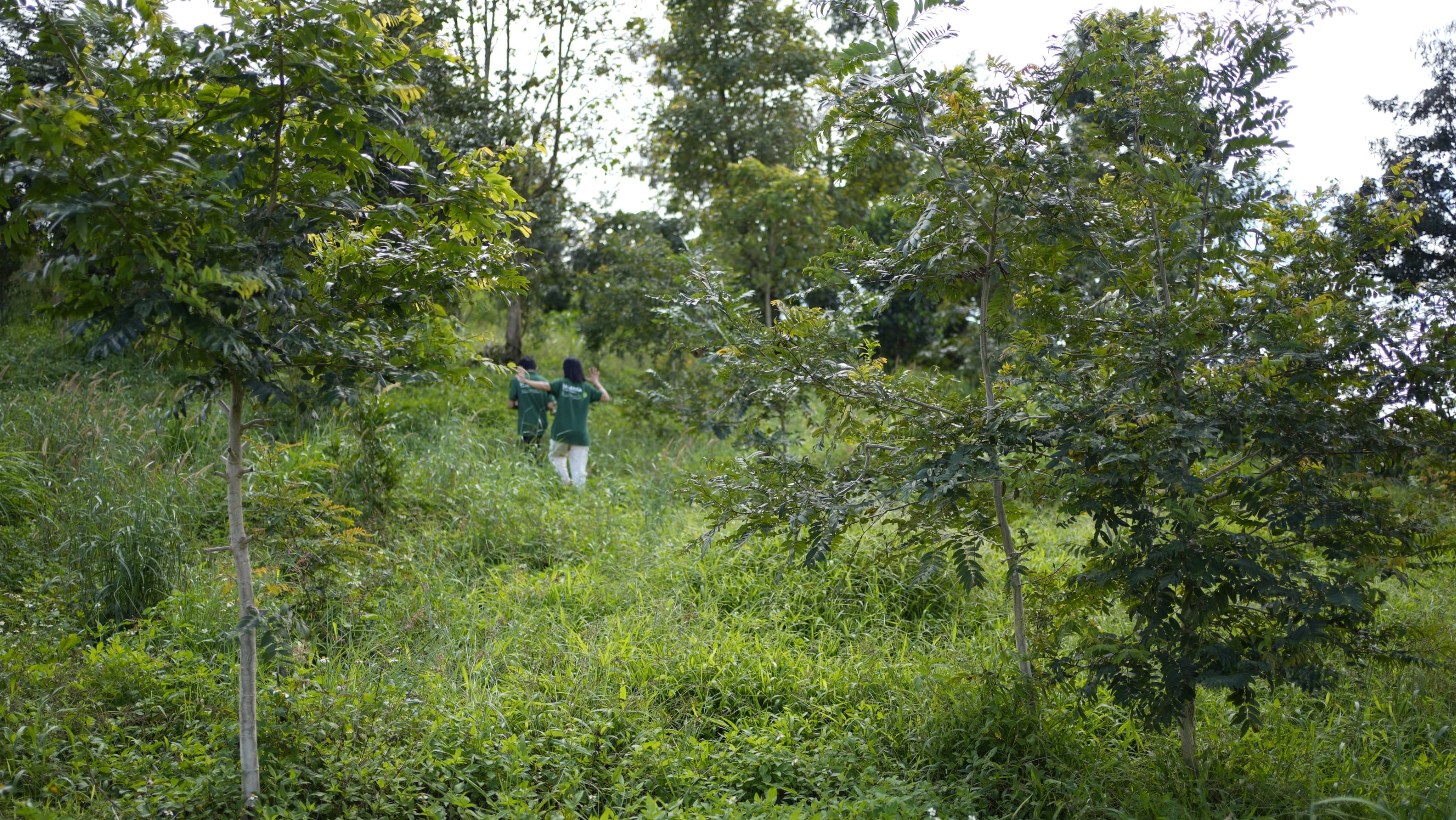
The special thing about this land is its rare diversity: on the same plot of land, there are many types of soil with different characteristics, accompanied by uneven terrain. With conventional farming, this is a "difficult problem" — each soil type holds water differently, has different nutrients, and coffee trees react differently. You can't apply a single formula to the whole garden.
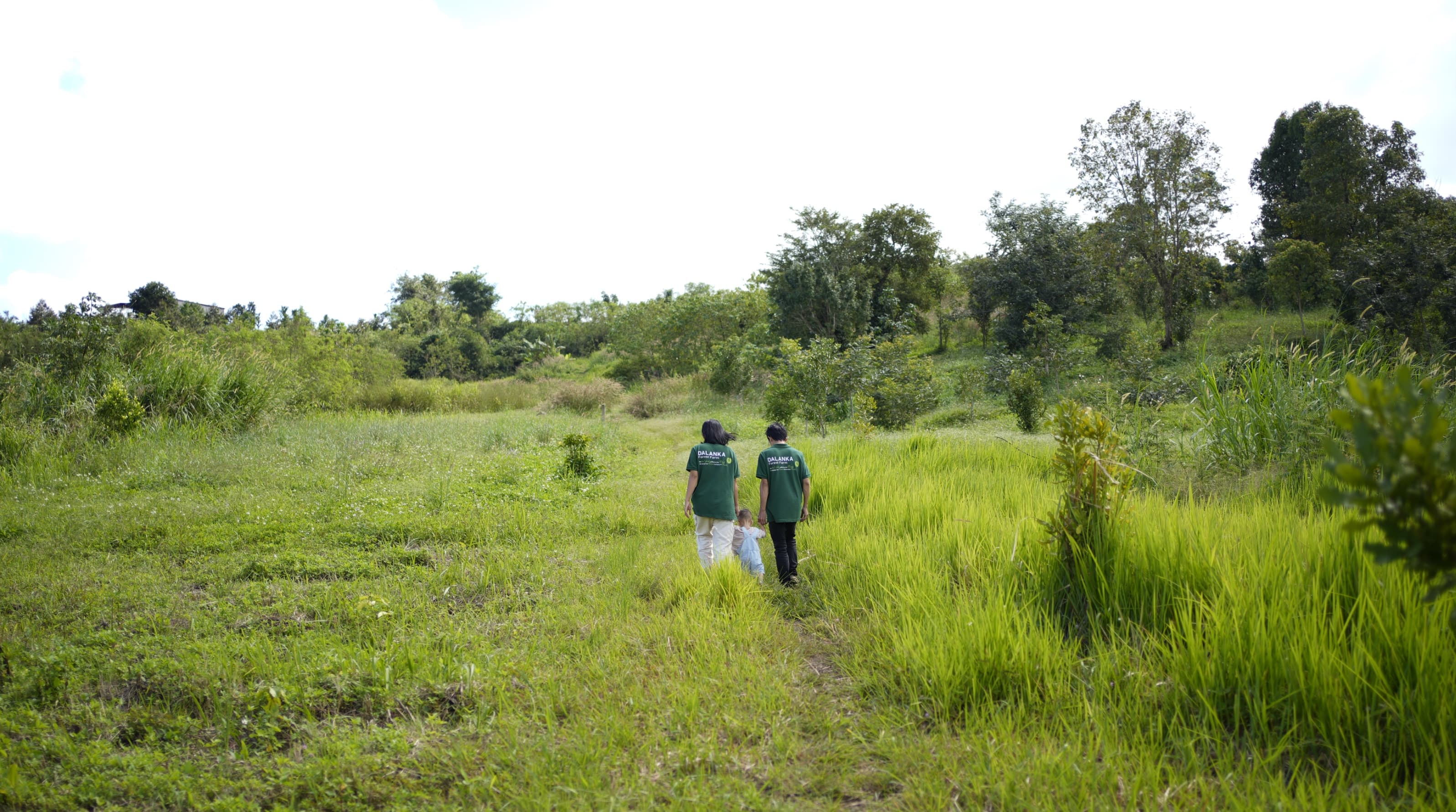
But for us, it is also a gift. Every soil type, every slope is a separate "classroom":
- We observe how coffee trees adapt to different soils.
- We test combinations of shade trees and understory plants suitable for each area.
- And most importantly, we accumulate practical experience across various soil and terrain conditions — something no book fully teaches.
This experience will be the foundation for Dalanka to accompany more farmers in the future, because every farmer's garden also has its own "personality".
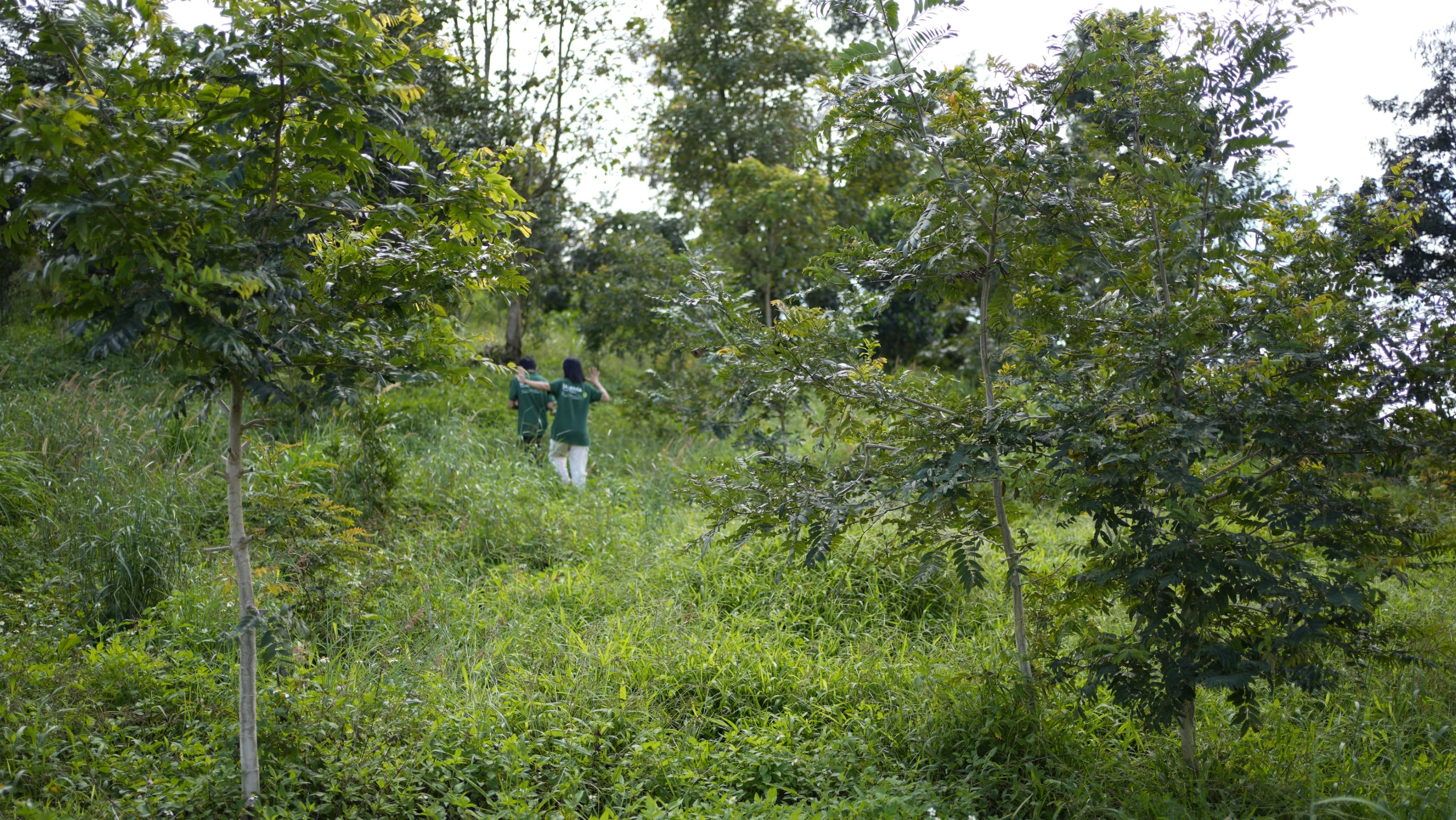
Forest farming — not just a way of planting, but a way of thinking
At the model farm, coffee doesn't stand alone. Coffee trees live under shade trees, alongside native plants, in an ecosystem designed to self-nourish: fallen leaves become a mulch layer retaining moisture, tree roots hold soil on slopes, and beneficial birds and insects return to do nature's work. We don't expect everything to be perfect from the start. There will be successful experiments, and inevitably, failed ones. But that is exactly why the model farm exists — for us to fail here, learn here, before multiplying what truly works.
The Journey Ahead
The Dalanka Forest Farm model is a long-term project. We will continue to share this journey — what we are doing, what we have learned, and even what we have yet to achieve — on the Dalanka website and channels. If you are a coffee lover, interested in regenerative agriculture, or simply curious about how a coffee forest is "raised", come join us.